Autumn offer: -20% on all our jewelry
Free shipping to Europe
Customer service 7 days a week | Google reviews 5/5
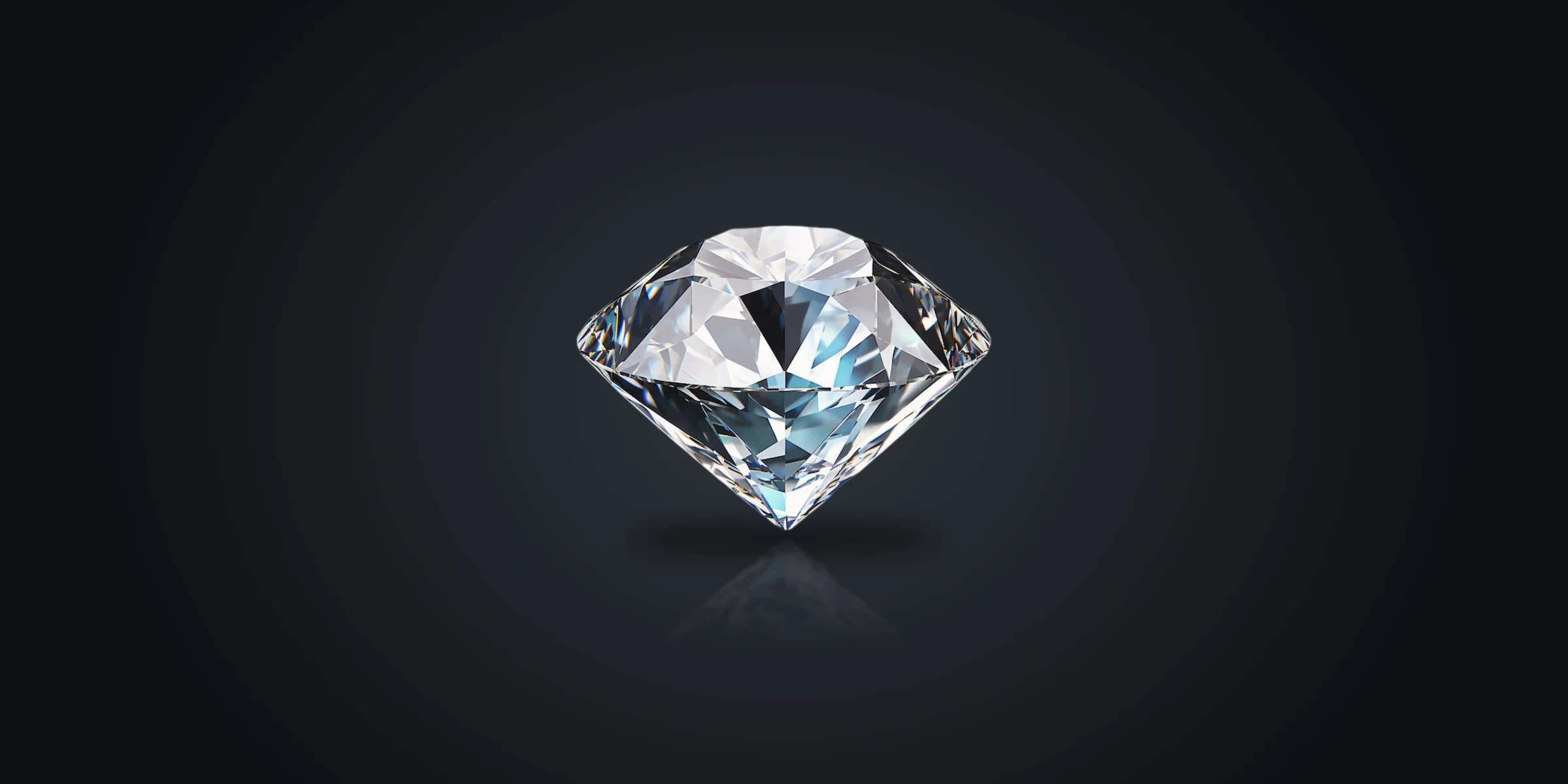
A lab-grown diamond is a real diamond created in a laboratory. HPHT and CVD production, differences with natural diamonds, IGI or GIA certificate, price and tips for choosing.
In short: a lab-grown diamond, also called a lab diamond, lab-created diamond or synthetic diamond, is a real diamond: pure carbon, with the same hardness (10 on the Mohs scale), the same sparkle and the same composition as a natural diamond. The only difference is its origin: it is created in a laboratory in a few weeks, under high pressure (HPHT) or by carbon deposition (CVD), instead of forming in the Earth over millions of years. With the naked eye, and even under a loupe, nothing sets them apart; only a properly equipped laboratory can tell the difference. For the same quality, it costs far less than a natural diamond, but it does not resell like an investment.
These expressions all describe the same stone: a diamond created in a laboratory. You will also see “lab diamond” or “man-made diamond”. In France, where we are based, the regulations on the gemstone trade (decree no. 2002-65 of 14 January 2002) require the word “synthetic” to accompany the name of the stone: a jeweler must therefore write “synthetic diamond”, and may add “created in a laboratory”.
Calling it an “artificial” or “fake” diamond is misleading if it suggests an imitation: a lab-grown diamond is not a fake. It has the composition (crystallized carbon), the crystal structure and the physical and optical properties of a natural diamond. The real imitations are cubic zirconia or glass, which are much softer. Moissanite is a different gemstone, with its own properties: we compare the two in our guide moissanite vs diamond.
The first synthetic diamond was produced in 1954, in the United States, for industrial use. It was not until the 2010s that quality and sizes became commonly suitable for fine jewelry. Two processes are used today (synthetic diamond on Wikipedia):
In both cases, the result is a rough diamond, which is then cut and polished exactly like a natural diamond (brilliant, oval, pear, marquise cut…). The process does not affect the beauty of the stone: an HPHT diamond and a CVD diamond of the same quality are equally beautiful. The certificate also states which method was used.
| Lab-grown diamond | Natural diamond | |
|---|---|---|
| Composition | Pure carbon | Pure carbon |
| Origin | Created in a laboratory, in a few weeks | Formed in the Earth, over millions of years |
| Hardness (Mohs) | 10 | 10 |
| Refractive index (brilliance) | 2.42 | 2.42 |
| Dispersion (“fire”) | 0.044 | 0.044 |
| Density | 3.52 | 3.52 |
| Visible difference | None | None |
| Certificate | IGI or GIA (“laboratory-grown”) | GIA, IGI, HRD |
| Mining | No | Yes |
| Price | €€ | €€€€ |
| Resale value | Low | Below the purchase price |
With the naked eye, it is impossible, and a jeweler with a loupe cannot do it either. Standard diamond testers (thermal or electrical) identify it as a diamond, because it is one. Only laboratory equipment (spectroscopy, ultraviolet imaging) reveals the tiny traces left by growth in a laboratory.
For the buyer, the simplest guarantee is therefore the certificate: it always states that the stone is a laboratory-grown diamond. On certified stones, the certificate number is usually laser-inscribed on the girdle (the thin edge of the stone), invisible to the naked eye but readable under a loupe.
A lab-grown diamond is graded exactly like a natural diamond, according to the “4Cs”:
The two major laboratories that certify lab-grown diamonds are the IGI (International Gemological Institute) and the GIA (Gemological Institute of America). Our lab-grown diamonds are graded D to F in color and VS to VVS in clarity, meaning colorless and of very high clarity, and come with an IGI or GIA certificate from 0.5 carat.
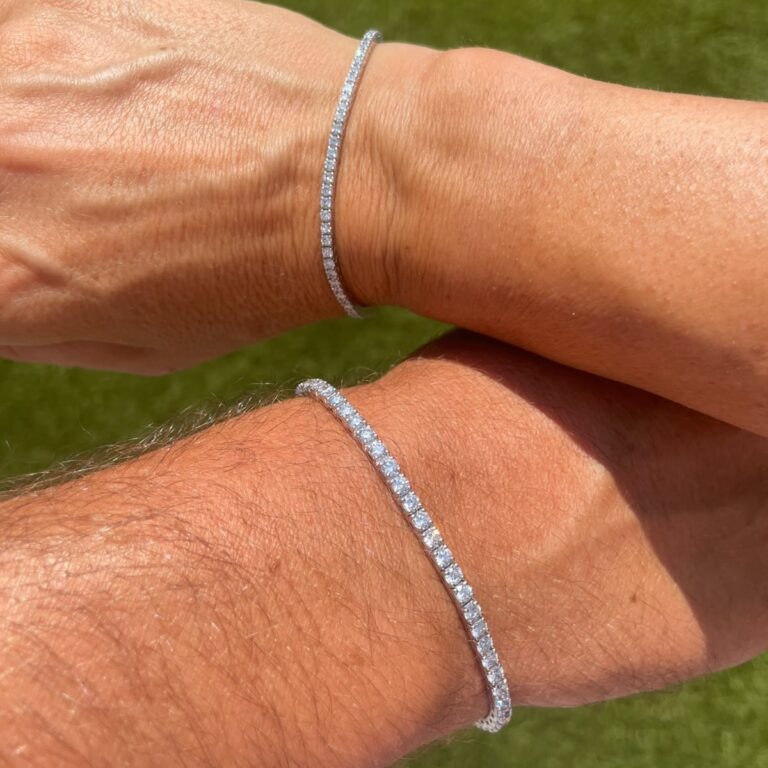
For the same carat, color and clarity, a lab-grown diamond costs several times less than a natural diamond. There is no mine to operate and no long chain of intermediaries, and production has grown considerably: prices have dropped sharply in recent years. In practice, the same budget buys a larger or higher-quality stone, or a piece in gold rather than silver.
The price depends mainly on the 4Cs and the metal. On our product pages, you choose the carat, the metal (9k, 14k or 18k gold, or 925 silver depending on the model) and the color of the gold: the price of each version appears instantly. Try it, for example, with La Solitaire ring or the Double Éclat stud earrings, available in lab-grown diamond and in moissanite.
Good to know: a lab-grown diamond is not an investment. As prices fall and production is not limited, its resale value is low. A natural diamond, too, usually resells well below its purchase price. You choose a lab-grown diamond to wear it, not to resell it.
A lab-grown diamond does not come out of any mine: its origin is known and traceable, from the laboratory to the jewel. This is one of the reasons why we place lab-grown diamonds and moissanite at the heart of our creations. For natural diamonds, mining conditions can be difficult to trace.
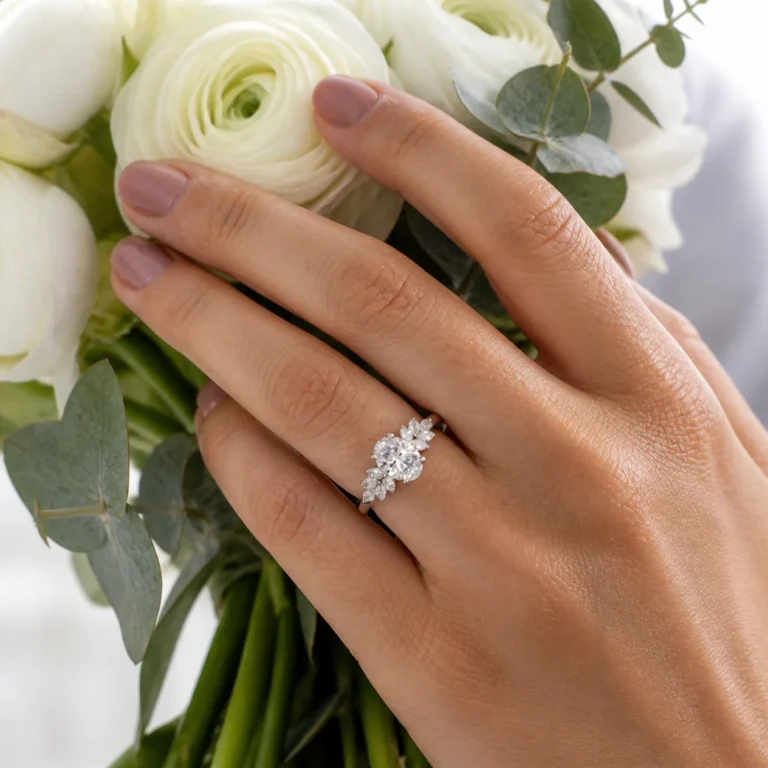
More and more couples choose a lab-grown diamond for their engagement ring: it is a real diamond, as strong and brilliant as a natural one, made to be worn every day for a lifetime. The price difference often allows a more beautiful stone, or an 18k gold setting.
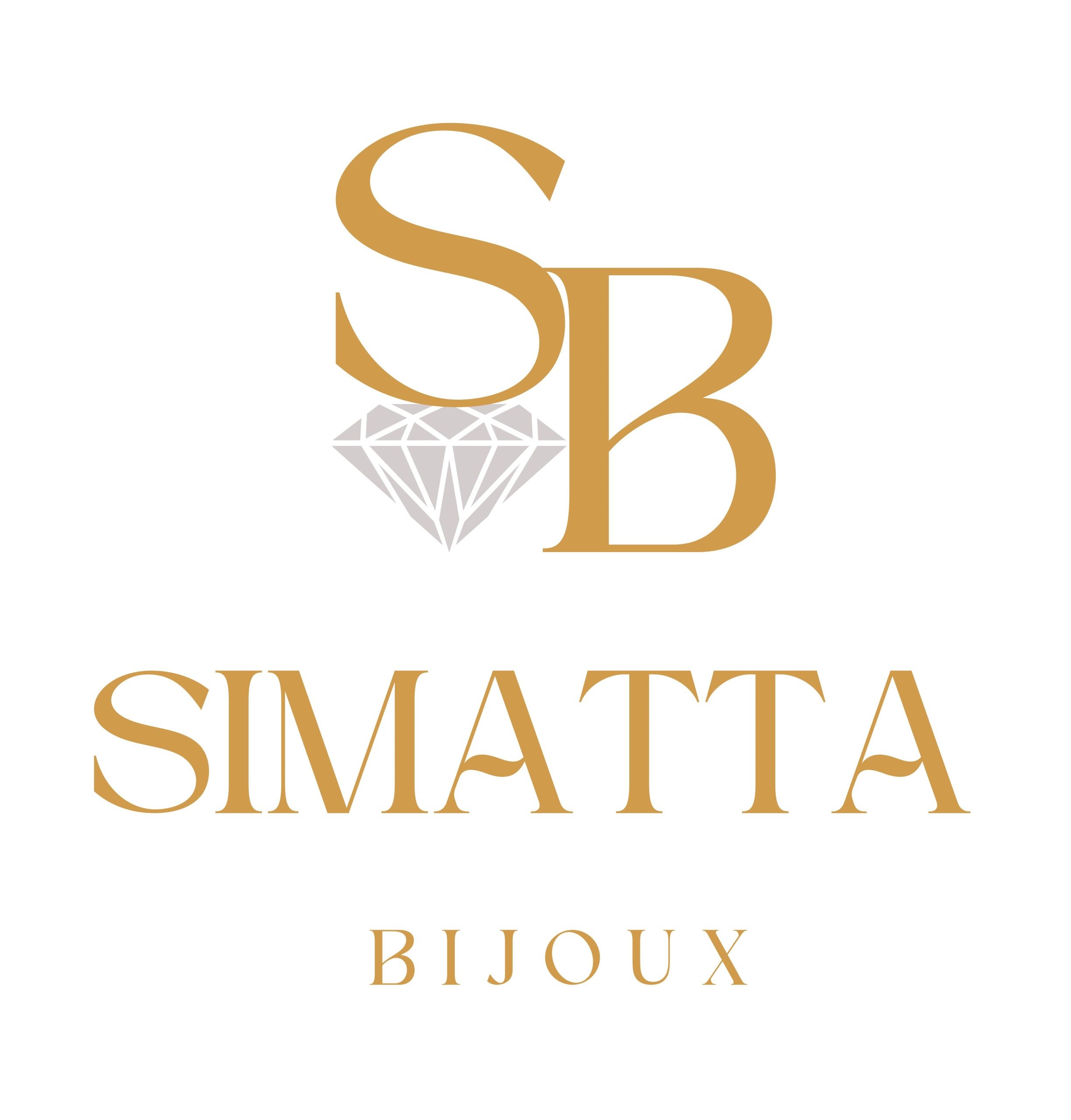
Our La Solitaire ring holds a single round stone on six fine prongs, from 0.2 to 3 carats, in 925 silver or in 9k, 14k or 18k gold. La Marquisette pairs a 1.2-carat oval diamond with delicate marquise stones, in white, yellow or rose gold. For a custom-made project, write to us: we will help you choose the size, quality and setting.

Like any diamond, it hardly scratches and does not tarnish. However, lotion, soap and dust eventually cloud any stone: a bath of warm soapy water and a soft toothbrush restore all its sparkle. Take off your jewelry for sports, gardening or housework: even a diamond can chip from a sharp knock on an edge.
Yes. A lab-grown diamond has the same composition (pure carbon), the same hardness and the same sparkle as a natural diamond. Only its origin differs, and it must be disclosed as “synthetic” or “laboratory-grown”.
No. Its color and sparkle are stable, just like a natural diamond’s. If it looks less brilliant, it simply needs cleaning.
Not with the naked eye, nor with a standard diamond tester. Only an equipped laboratory can. The certificate always states the nature of the stone.
A lab-grown diamond is a diamond; moissanite is a different stone (silicon carbide), slightly less hard, with more colorful flashes and a lower price. Everything is explained in our guide moissanite vs diamond.
It is low: it is not an investment. A natural diamond, too, generally resells well below its purchase price.
Yes, from 0.5 carat, our lab-grown diamonds come with an IGI or GIA certificate. They are graded D to F in color and VS to VVS in clarity.